Office removals Hackney business moves on Mare Street
Posted on 22/06/2026
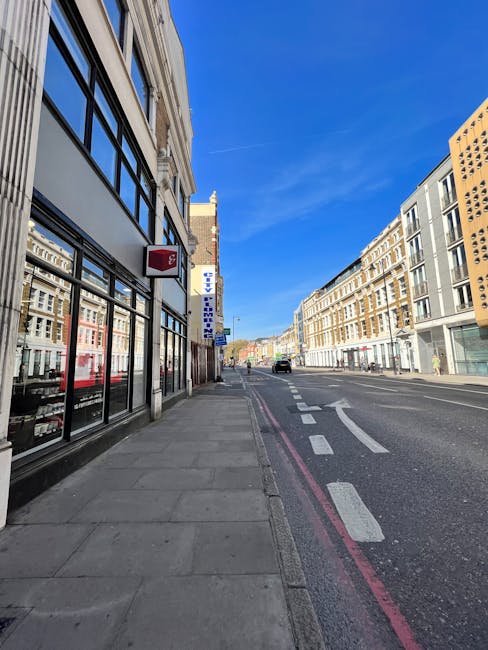
If you are planning office removals Hackney business moves on Mare Street, you are probably juggling more than boxes and desks. There is staff to brief, work to protect, access to think about, and a business to keep moving while the move itself is happening. That is the real challenge. A good office move in Hackney is not just about getting from A to B; it is about keeping the day calm, the team informed, and the downtime as low as possible.
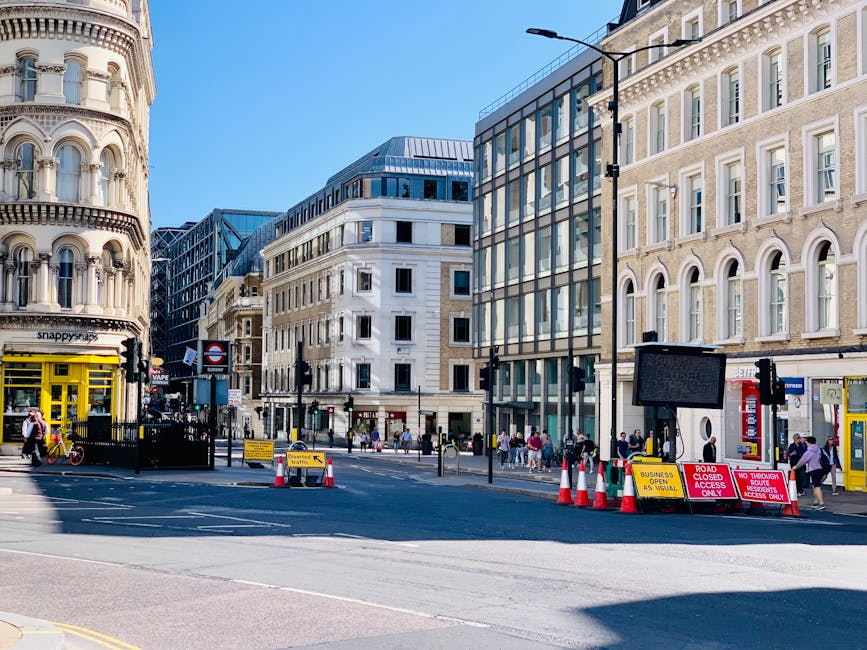
Mare Street brings its own rhythm too. It is busy, connected, and always feels like something is happening in the background. That can be brilliant for business, but it also means timing, loading access, parking, and building logistics need proper attention. In this guide, we will walk through how office removals work in Hackney, what makes Mare Street moves a little more nuanced, and how to plan a smoother transition without the usual chaos. Truth be told, a little preparation goes a long way here.
Along the way, we will cover practical planning, common mistakes, compliance considerations, and the sort of details people only wish they had sorted earlier. If you want broader context on the company and service range, you may also find the services overview useful, especially if your move includes more than standard office furniture.
Why Office removals Hackney business moves on Mare Street Matters
Office moves are often underestimated. A small delay in lifting, parking, or labelling can ripple through the whole working week. On Mare Street, where traffic flow, side-street access, and shared commercial spaces can all affect the process, that ripple can feel bigger than expected. A tidy move is not just convenient; it protects continuity. And continuity matters when you have clients waiting, phones ringing, or staff trying to settle into a new routine.
For Hackney businesses, the move also has a local dimension. Many premises are in mixed-use buildings, converted units, or compact commercial spaces that do not offer endless room to stage equipment. That means the move plan needs to be realistic, not just optimistic. You might be moving a start-up from a co-working spot, a creative studio with awkward furniture, or a professional office with IT equipment and filing systems. Different shapes, same core challenge: avoid disruption.
Another reason this matters is reputation. Staff notice when a move is disorganised. Clients notice too, even if they only see the edges of it. A move that feels calm, safe, and controlled says a lot about how the business operates. It sounds simple, but people remember these things.
Expert summary: The best office removals in Hackney are the ones that reduce downtime, protect equipment, and keep communication clear from the first survey through to the final desk being placed.
For businesses based near the borough's active commercial routes, it is worth thinking about the move as part logistics, part people management. If you are also weighing local premises decisions, the article on real estate in Hackney borough can help you understand why some locations feel easier to operate from than others.
How Office removals Hackney business moves on Mare Street Works
Most office removals follow a similar pattern, but the details matter. A professional move usually starts with a survey or detailed discussion of what needs to go, what is staying, and what needs special handling. That may sound obvious, but people often forget to mention the awkward stuff: the server cabinet, the legacy printer no one likes, the storage unit keys, or the meeting table that only fits through the door at an angle.
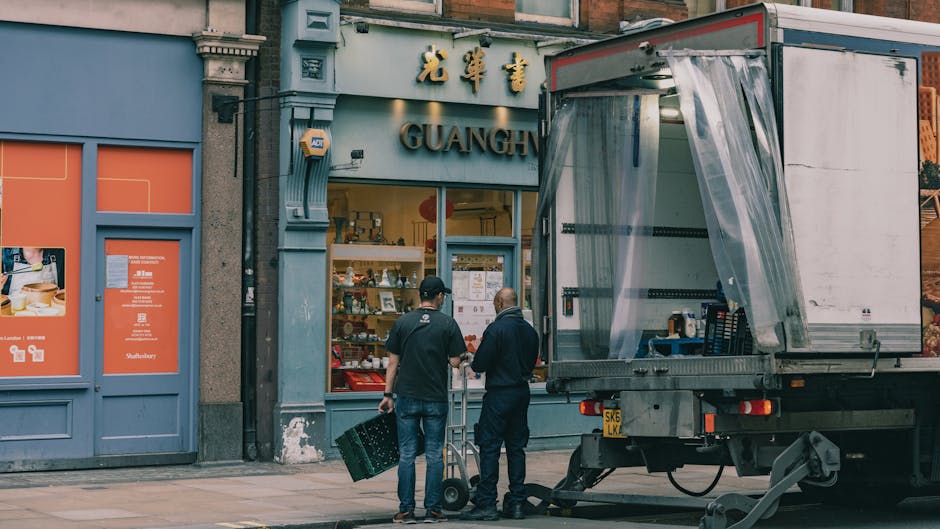
Once the scope is clear, the removals team can plan labour, vehicle size, packaging, and timing. In a Mare Street setting, access planning becomes even more important. Can the van stop close enough? Is there a lift? Are there time restrictions, loading bay limits, or narrow internal corridors? The answer to those questions changes the whole operation.
On the day, the process tends to look like this:
- Arrive, confirm the inventory, and protect floors and high-traffic areas if needed.
- Disconnect and prepare furniture, IT peripherals, and boxed items for safe movement.
- Move items in a sensible order, usually starting with bulkier furniture and protected equipment.
- Load the van carefully, keeping fragile and heavier items separated.
- Unpack and position items at the new office according to the layout plan.
That layout plan is more important than many teams realise. A move can feel surprisingly long when nobody knows where the workstation cluster should go or which boxes belong in which room. In our experience, a simple floor plan saves time and avoids those awkward five-minute debates in a hallway.
If your office move needs additional packing help, there is a practical guide on arranging help with packing and moving that fits nicely alongside this kind of planning.
Key Benefits and Practical Advantages
There are obvious benefits to hiring experienced movers for a business relocation, but the practical value often sits in the smaller details. For a Hackney office move, the main advantages usually include:
- Less downtime: a cleaner plan means people can get back to work sooner.
- Safer handling: desks, monitors, chairs, and specialist kit are less likely to be damaged.
- Better coordination: the move becomes a process rather than a scramble.
- Fewer surprises: route planning and access checks reduce delays.
- Reduced staff strain: your team can focus on business rather than lifting boxes all day.
There is also a surprisingly important morale benefit. A move that is smooth and well-communicated helps staff feel looked after. That matters. People settle faster when they are not spending the first afternoon hunting for a keyboard cable or wondering where the files went.
For businesses that need speed, flexibility is another plus. Some moves can be staged, with the most essential items moved first and less urgent stock or archive material dealt with later. If you are weighing whether you need an urgent turnaround, the page on same-day removals Hackney gives a sense of how quick-response work can fit into a busy schedule.
And if your move involves stock, files, or short-term holding, it can make sense to look at storage options in Hackney. Not every business needs that, but when you do, it can make the whole project much easier to phase.
Who This Is For and When It Makes Sense
This kind of move is relevant to a wide range of businesses. You may be:
- a small company moving from a shared workspace into a dedicated office
- a growing agency relocating to a better-connected part of Hackney
- a professional practice upgrading to a more suitable space
- a creative team moving furniture, equipment, and archive material
- a business consolidating two sites into one
It also makes sense for companies that have outgrown a temporary arrangement. Maybe the current office looks fine on paper but has become too cramped in real life. Maybe the meeting room is always occupied. Maybe staff have just had enough of the noise. Let's face it, there are plenty of reasons people move before a space becomes truly unsuitable.
Businesses on Mare Street often need to think about customer access, visibility, and local flow. If clients visit the office regularly, the move must preserve a professional front-of-house feel. If the office is more internal, the priority may be workflow and secure handling of documents or electronics. Either way, good planning is the same foundation.
It is also worth saying that not every office move needs a full-scale relocation package. Sometimes a modest van service, sensible packing, and a few experienced hands are enough. For lighter moves, the man with van Hackney option may suit smaller teams, while larger office relocations are better handled through fuller removal services in Hackney.
Step-by-Step Guidance
Here is a straightforward way to plan an office move without losing your mind. Not glamorous, but very effective.
1. Define what is moving
Start with a proper inventory. Include furniture, tech, archives, decorative items, and anything stored in cupboards or shared spaces. It is the forgotten items that tend to create extra work later.
2. Set a realistic move date
Pick a date that gives you enough prep time and, ideally, avoids your busiest trading period. Some businesses prefer a weekend move. Others choose an evening or a quieter weekday. There is no perfect answer, only the option that creates the least disruption.
3. Map access at both sites
Check parking, loading access, lift size, stairs, and entry restrictions. A great move can be slowed down by a narrow doorway. Simple as that.
4. Label everything clearly
Use room labels, department labels, or workstation names. Mark fragile items and anything that must be opened first. If possible, colour-code by team or floor. That kind of detail saves time on the back end.
5. Back up and secure your data
Office removals are not just physical. Before the first desk is lifted, make sure digital systems are backed up and access is protected. This is especially important for businesses handling client records or sensitive documents.
6. Pack in stages
Do not wait until the final afternoon to start. Pack non-essential items first, then move to daily-use items closer to the date. It feels much less dramatic that way.
7. Coordinate the new layout
Have the destination office ready, even if only in rough form. Know where desks, storage units, and communal items will go. Otherwise, you end up with a room full of boxes and a lot of "we'll sort that later." Later is not a plan, by the way.
8. Carry out a final sweep
Before leaving the old office, check desks, cupboards, under tables, kitchen areas, and storage corners. There is always one charger left behind if nobody checks.
Expert Tips for Better Results
Here are the practical habits that usually make the biggest difference.
- Keep the essentials separate. Put chargers, keys, documents, and first-day supplies in a clearly marked box.
- Photograph cable setups before disconnecting. It saves a lot of guesswork later.
- Tell staff what to expect. A short internal message about timings, packing rules, and who to ask for help goes a long way.
- Protect hallways and floors. Especially in older buildings or shared premises.
- Use the move as a reset. If an item has been hanging around unused for years, maybe it does not need to come with you.
A small but useful tip: nominate one decision-maker on moving day. Too many voices slow things down. One calm point of contact is usually enough. In office removals, confidence beats noise every time.
If sustainability is part of your business values, it is also worth looking at the company's approach to waste and disposal. The page on recycling and sustainability is useful if you want a move that feels a bit more responsible and less throwaway.
And if you want a deeper sense of the area your team is moving within, these local reads can be surprisingly helpful: life in Hackney resident experiences and Hackney's diverse community. They are not move guides, exactly, but they do help people settle into the local rhythm.
Common Mistakes to Avoid
The biggest office move problems are usually not dramatic. They are just avoidable.
- Underestimating packing time. Office packing always takes longer than people think.
- Ignoring access details. A van can only do so much if nobody planned where it can stop.
- Not labelling fragile or priority items. This is how important items get buried under a stack of chairs.
- Forgetting IT and connectivity. Moving the furniture before the system plan is, frankly, backwards.
- Leaving staff in the dark. Unclear communication creates confusion fast.
- Choosing price alone. Cheap can be useful, but only when it still covers the actual work properly.
There are also budget surprises to watch out for. Some move costs are caused by extra labour, awkward access, waiting time, or last-minute changes. If you want to understand how charges can build up in local removals, the article on avoiding hidden charges in Hackney Central is worth a look. It speaks to the same kind of planning mindset.
Tools, Resources and Recommendations
You do not need complicated software to run a good office move. A few sensible tools are enough.
- Inventory spreadsheet: a simple list of items, departments, and priority notes.
- Room labels and colour stickers: quick visual cues for the movers.
- Floor plan sketches: even rough drawings help with placement at the new office.
- Box markers and tape: the unglamorous heroes of moving day.
- Plastic wallets or folders: useful for floor plans, keys, and small hardware items.
For businesses that do not need a full office relocation but still need moving support, it is worth comparing related options. The pages on removal van Hackney, man and a van Hackney, and man and van Hackney can help you think through the scale of service you actually need.
And if you want a broader sense of the business side of local moves, the article on cheap man and van rates in Clapton is a useful comparison point. It is not about Mare Street directly, but it does help explain how small-service moves are typically approached around Hackney.
Law, Compliance, Standards, or Best Practice
Office removals are mostly practical, but they do touch on areas where best practice matters. Businesses should think carefully about data protection, document handling, health and safety, and building access rules. If your office stores personal data, confidential files, or sensitive business information, secure packing and controlled handling are worth treating seriously.
Health and safety is another core issue. Safe lifting, clear walkways, suitable equipment, and sensible team coordination are not optional extras. They are standard good practice. A removals team should work in a way that reduces the chance of injury or property damage, and the business should avoid pushing staff into lifting items that need proper handling support.
If you want a sense of the standards a responsible removals provider should maintain, the page on health and safety policy sets the tone well. Similarly, if insurance questions are on your mind, the insurance and safety page is a sensible place to understand how risk is approached in practice.
It is also wise to check the terms and conditions before confirming a booking, especially if timing, access, or cancellation matters to your business. The same goes for payment handling and administrative details. A clean process tends to produce a calmer move. Amazing how that works.
Options, Methods, or Comparison Table
Not every business move needs the same approach. Here is a simple comparison to help you choose the right shape of service.
| Move option | Best for | Strengths | Things to watch |
|---|---|---|---|
| Full office removals | Large teams, furniture, IT, archives | Most organised, best for complex moves | Needs clear planning and scheduling |
| Man and van support | Smaller offices or lighter equipment | Flexible and efficient | May be less suitable for bulky or multi-room moves |
| Staged move with storage | Businesses moving in phases | Reduces pressure on move day | Requires good inventory tracking |
| Same-day move | Urgent relocations | Fast response | Less margin for error, so prep still matters |
To be fair, the "best" option is usually the one that matches the size of the move and the reality of the building, not the one that sounds impressive in a spreadsheet. A small office with a few desks and monitors does not need the same process as a full-floor relocation. And a full-floor relocation should never be treated like a casual van job.
Case Study or Real-World Example
Picture a small creative agency moving from a cramped office near Mare Street into a slightly larger unit a short distance away. On paper, it looks straightforward. Same borough, short journey, not too many desks. But once the planning starts, the details appear: a shared entrance, a narrow stairwell, several awkward shelving units, laptops that need careful handling, and a client meeting scheduled for the next morning.
They break the work into stages. First, they label each desk area and store cables in separate sealed bags. Then they pack the archive boxes in advance, so they are not doing that at 6 p.m. the evening before. The removals team checks access at both sites and plans the load order so the heaviest items go first. At the new office, the layout is taped out in advance, which sounds a bit over the top until you see how quickly the desks fall into place.
The whole thing goes more smoothly because the move is treated like an operational task rather than a hopeful afternoon of lifting and improvising. The staff arrive the next day, a bit tired perhaps, but not derailed. That is the real goal. Not perfection. Just controlled movement, minimal disruption, and no mystery boxes in the wrong room.
That kind of practical, no-fuss approach is exactly what many local businesses need. If your move includes personal belongings, home-office crossover items, or a mixed setup, related services such as house removals Hackney and flat removals Hackney can be useful references too.
Practical Checklist
Use this as a quick pre-move sanity check. It is small, but it saves headaches.
- Make a full inventory of furniture, equipment, and storage items
- Confirm move dates, timings, and building access at both sites
- Check whether lifts, loading bays, or parking arrangements need planning
- Back up data and secure sensitive documents
- Label boxes by room, team, or priority
- Separate essential items for day one
- Measure awkward furniture and doorways
- Tell staff what they need to pack and by when
- Review insurance and safety arrangements
- Walk through the old office before leaving
One tiny thing that often gets forgotten: keys. Spare keys, cupboard keys, filing cabinet keys, the lot. Put them all in one place, then check again. It sounds laughably basic, but that is exactly why it gets missed.
Conclusion
Office removals in Hackney are about more than moving things from one postcode to another. On Mare Street, with its busy local pace and mixed commercial environment, a successful move depends on planning, timing, communication, and choosing the right level of support. The more carefully you prepare, the less disruptive the move will feel.
Whether you are relocating a small office, shifting a growing team, or coordinating a staged business move, the best results usually come from clear inventories, realistic timelines, and a removals partner that understands local access conditions. It is not flashy. It is just effective. And in moving, effective is a very good word.
If you want to explore related services, company information, or practical move support, the pages on about us, removal companies Hackney, and pricing and quotes are a helpful next step.
Get a free quote today and see how much you can save.
And if you are still weighing up the right approach, start with the move that feels manageable, then build from there. That is usually where calm begins.

Possessing many years of experience in the removals sector, Jim stands as a proficient author with the ability to generate a variety of articles covering an extensive range of removals topics. His expertise has been instrumental in aiding thousands of individuals with their moves.


