Packing and fragile item moving Hackney Wick specialist service
Posted on 01/07/2026
Packing and fragile item moving Hackney Wick specialist service: a practical guide for safer, calmer moves
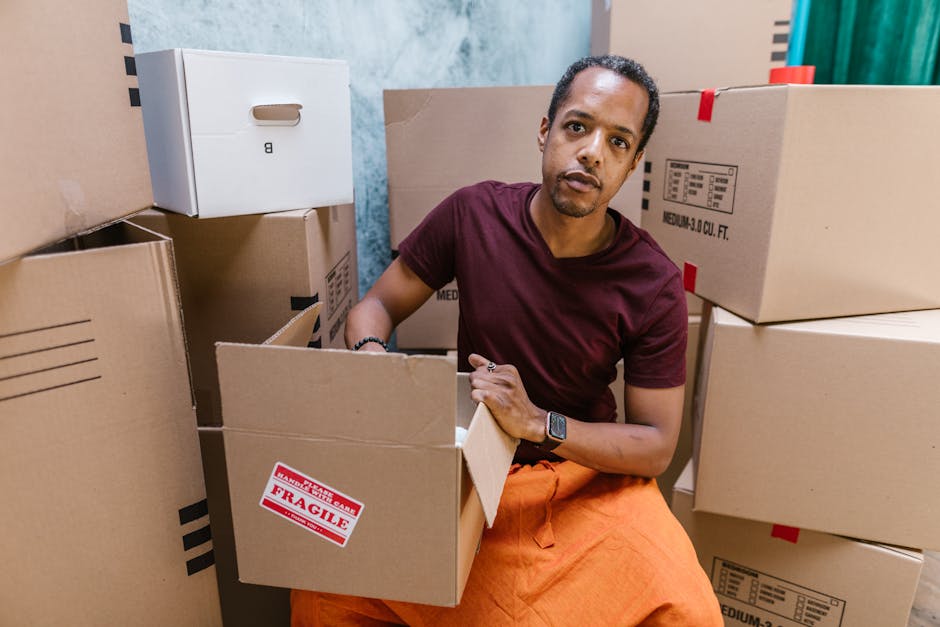
Fragile moves have a habit of exposing every weak point in a relocation plan. One loose plate, one badly wrapped mirror, one rushed lift down a narrow stairwell, and suddenly the whole day feels more stressful than it should. That is exactly why a Packing and fragile item moving Hackney Wick specialist service matters. It is not just about putting things in boxes. It is about planning, cushioning, lifting, labelling, transporting, and unloading delicate belongings with enough care that they arrive intact and you are not left apologising to yourself afterwards.
Hackney Wick adds its own quirks to the mix too. You may be working around apartment blocks, shared entrances, loading restrictions, awkward parking, or just the general stop-start rhythm of East London roads. A specialist approach helps take the edge off all that. In this guide, we will look at how the service works, who it is best for, what to expect, and the small details that make a surprisingly big difference.
![A person wearing a dark t-shirt with a graphic design is seen packing a fragile item, specifically a glass with intricate cut patterns, into a cardboard box filled with white packing peanuts. The box, labeled with red 'FRAGILE HANDLE WITH CARE' and 'GLASS' stickers, is positioned on a flat surface inside a property. Another unopened cardboard box is visible underneath, possibly used for further packing or stacking. The scene is well-lit, with natural light coming from the right side, illuminating the hands, the packaging materials, and the glass. The background includes a wooden floor and a white wall, indicating an indoor environment typical for home relocation or packing and moving services. This process is part of a professional moves coordination by [COMPANY_NAME], focused on careful handling of sensitive items during house removals, with a strong emphasis on packing and loading procedures for safe transport to a new residence.](/pub/blogphoto/packing-and-fragile-item-moving-hackney-wick-specialist-service1.jpg)
Why Packing and fragile item moving Hackney Wick specialist service Matters
Fragile items are the ones that remind you how unforgiving a move can be. Glass, artwork, ceramics, heirlooms, chandeliers, computer equipment, monitors, instruments, framed prints, and oddly-shaped decor all need more than a quick wrap and a hopeful prayer. A specialist service is designed to reduce the risk of chips, cracks, dents, pressure damage, and movement inside the box during transit.
It also matters because fragile items often carry both financial and emotional value. A replacement vase may be easy enough to buy, but a wedding gift, family keepsake, or one-off piece of art is another matter. Truth be told, the emotional cost of a damaged item is often worse than the practical one.
In Hackney Wick, where homes and workspaces can be compact and access can be fiddly, the moving process itself adds risk. Tight turns, shared stairwells, lift bookings, and loading space all influence how safely items can be handled. If you are planning a move nearby, it can help to read about flat removals in Hackney and the wider removal services available in Hackney so the packing plan matches the property type, not just the item list.
Expert summary: fragile moving goes wrong most often when packing is rushed, boxes are overloaded, or transport is treated as an afterthought. The best results come from planning the whole journey, not just the box.
How Packing and fragile item moving Hackney Wick specialist service Works
A specialist fragile-item move usually starts with an assessment. That might be a home visit, photos, or a phone-based inventory, depending on the size and complexity of the job. The point is to identify what needs special packing, what can be moved normally, and which items need additional protection or custom handling.
From there, the process generally follows a careful sequence:
- Inventory and risk check. Items are listed and grouped by fragility, size, weight, and value.
- Packing material selection. The right mix of cartons, double-walled boxes, wrapping paper, bubble wrap, foam, corner guards, and blankets is chosen.
- Protective packing. Each item is wrapped and secured so it cannot shift during movement or transport.
- Clear labelling. Boxes are marked with handling notes such as "fragile," "this side up," or room destination labels.
- Careful loading. Items are stacked to avoid crushing and are positioned to reduce vibration.
- Transit management. The vehicle is packed to minimise movement, and fragile items are kept away from heavier loads.
- Delivery and placement. Items are unloaded gently and moved to the correct room, then checked before the crew leaves.
That sounds simple on paper. In reality, the difference is in the detail. For example, a mirror needs edge protection and a stable upright position, while a ceramic lamp may need the bulb removed, the shade packed separately, and the base stabilised in a correctly sized carton. One size rarely fits all, and that is the whole point.
If you are comparing fuller moving options, the broader guidance on removals in Hackney and the services overview can help you see where specialist packing fits into the larger move.
Key Benefits and Practical Advantages
The obvious benefit is safety, but there is more to it than that.
- Less breakage risk. Proper wrapping and box selection reduce movement, pressure points, and impact damage.
- Faster unpacking. Good labelling saves time at the destination. You will notice this most when the kettle, charger, and documents are where they should be.
- Better use of vehicle space. Specialist packing lets the team load efficiently without stacking heavy items on top of delicate ones.
- Less stress on moving day. When fragile items are already sorted, the rest of the move tends to feel calmer. Slightly calmer, anyway.
- Reduced chance of last-minute panic. Nobody wants to be fashioning a box from spare tape and optimism at 7:30 in the morning.
- More suitable for awkward properties. If access is tight, well-packed items are easier to carry safely through hallways, stairs, and shared entrances.
There is also a practical financial angle. Damage can create replacement costs, delays, and a lot of avoidable hassle. Even where an item is insured, the claim process can still be inconvenient. Prevention is usually simpler than cure.
For people moving higher-value possessions, a specialist service also works well alongside dedicated options such as furniture removals in Hackney and piano removals in Hackney, especially when a move includes both bulky items and delicate pieces.
Who This Is For and When It Makes Sense
This service is not only for people with antiques and gallery-worthy art. In everyday moves, you may need specialist packing if you have any of the following:
- glassware, crockery, or a large kitchen collection
- mirrors, framed prints, canvases, or sculptures
- home office equipment, monitors, and peripherals
- musical instruments or audio equipment
- collectibles, ornaments, or sentimental family items
- IT equipment or electronics with sensitive parts
- lamps, standing lights, or awkwardly shaped decor
It makes sense when you are short on time, worried about packing things properly, or moving from a property where access is awkward. It is also a sensible choice if the move involves multiple handovers, temporary storage, or a combination of property types. If your move is tied to a tenancy change, you might also find the article on arranging help with packing and moving useful for planning the workload in a realistic way.
Students and first-time renters often assume fragile packing is overkill. Then they realise they own more breakable things than they thought. A decent mug collection can tell a painful story all by itself.
For smaller, faster moves, especially where only a few fragile items need careful handling, you may want to compare with man and van support in Hackney or the more flexible man with van option before deciding on the right setup.
Step-by-Step Guidance
If you want the move to feel orderly rather than frantic, it helps to think in stages.
1. Separate fragile items early
Do not leave delicate belongings until the final night. Put them in one visible group and keep them away from the general packing chaos. That one small habit makes everything easier.
2. Decide what needs specialist packing
Some items can be packed by you if you have time and the right materials. Others, such as large mirrors, high-value electronics, or sentimental pieces, are better handled by a specialist team. Be honest with yourself here. The "I'll just wrap it in a towel" approach is not a strategy.
3. Choose the right box for the job
Boxes should be strong, clean, and sized to suit the item. Overly large boxes invite movement. Overstuffed small boxes become too heavy and may fail under pressure. Double-walled boxes are often a better option for fragile goods.
4. Use cushioning properly
Delicate items need room to breathe, but not too much. Cushioning should hold them in place from all sides. Fill gaps with packing paper or other protective material so the item cannot rattle.
5. Label clearly
Mark boxes with what is inside, where they should go, and any special handling notes. A box labelled simply "fragile" is useful, but "kitchen glassware, top-load only" is better.
6. Load in the right order
Heavier, sturdier items usually go first, with fragile items placed where they will not be crushed or tipped. The vehicle should be packed to reduce movement. In a moving van, empty space is the enemy.
7. Unpack with a check
Once the move is complete, inspect the most delicate items before binning the packaging. If something needs to be reported, you want the condition clear in your mind and visible in front of you.
If you are trying to plan the whole move around budget and timing, the pages on pricing and quotes and payment and security are useful for understanding how the process is usually structured.
Expert Tips for Better Results
Here is where small details earn their keep.
- Pack by fragility, not by room. A kitchen box may be safer if you group glasses together and keep heavy items separate.
- Wrap items individually. Even items that look similar can chip against each other in transit.
- Keep important documents and valuables separate. Don't bury passports, keys, or essential paperwork in a generic box.
- Use colour-coded labels. It sounds simple, but it speeds up unloading and reduces mistakes.
- Photograph valuable items before the move. That gives you a clear condition record. Sensible, not paranoid.
- Leave time buffers. If fragile packing is squeezed into the last hour, quality drops fast.
- Plan for access. Measure doorways, check lift sizes, and think about awkward corners before moving day.
One practical observation from real moves: items are often damaged not by dramatic drops, but by tiny movements that repeat over time. A box that rocks, slides, or bends slightly in the van can do more harm than a single careful lift. That is why loading discipline matters so much.
For moves involving business equipment or shared workspaces, the guidance on office removals in Hackney can be helpful, especially where monitors, printers, and data equipment need careful handling.
Common Mistakes to Avoid
Most fragile-item problems come from avoidable errors. A few are especially common:
- Using old, weak boxes. Floppy cartons fail when stacked.
- Mixing heavy and delicate items. It is tempting to save boxes, but it usually backfires.
- Overwrapping with no support. Wrapping alone is not enough if the item can still move inside the box.
- Ignoring labels. Boxes that are not marked properly end up in the wrong room or under the wrong stack.
- Assuming everything can be transported upright. Some items must stay vertical; others need a custom position.
- Leaving packing until the day of the move. That is how rushed mistakes happen.
- Forgetting the destination. An item packed safely but unpacked onto a hard floor or crowded shelf can still be damaged.
Another easy mistake is underestimating the time needed. A fragile move takes more preparation than a standard move. That is not a flaw; it is just the price of doing it properly. To be fair, the extra time usually pays for itself in peace of mind.
Tools, Resources and Recommendations
You do not need a warehouse full of equipment, but the right materials matter. A well-prepared fragile move often uses:
- double-walled boxes in several sizes
- packing paper for surface protection
- bubble wrap for shock absorption
- blankets for bulkier delicate items
- corner protectors for frames and screens
- strong tape and a decent tape gun
- labels or markers for room and handling notes
- stretch wrap for securing grouped items
It can also help to keep a simple moving kit aside with scissors, spare tape, a marker pen, and a cloth for quick dusting. That tiny kit saves a surprising amount of faff on the day.
If you need additional support, the article on packing and boxes in Hackney is a helpful companion page. For moves that need extra space between pick-up and delivery, storage in Hackney may also be worth considering so fragile pieces are not rushed into the wrong room or kept in the wrong place.
For sustainability-conscious moves, there is also value in reusing strong boxes where possible and separating materials for responsible disposal. If that is part of your thinking, take a look at recycling and sustainability.
Law, Compliance, Standards, or Best Practice
For most home moves, the main concern is not legal complexity but safe, responsible handling. Still, it is wise to work with a mover who treats health and safety properly, follows sensible manual-handling practice, and keeps your belongings protected from avoidable damage.
In the UK, businesses handling property should be mindful of general safety duties, vehicle safety, and fair customer practices. In plain English, that means enough care, enough planning, and no cutting corners. A professional provider should be able to explain how items are handled, how risk is reduced, and how disputes are approached if something goes wrong.
If you want a clearer picture of that approach, the pages on health and safety policy, insurance and safety, and terms and conditions are relevant reference points. They help set expectations around responsibility, handling, and service boundaries.
There is also a trust angle beyond the move itself. Ethical businesses should be transparent about who they work with and how they operate. That may not sound glamorous, but it matters. The same goes for service transparency and complaints handling, which is why it can be useful to review the pages on complaints procedure and modern slavery statement.
Options, Methods, or Comparison Table
When planning fragile-item moving, there is more than one way to approach it. The right choice depends on time, value, access, and how much help you want. Here is a simple comparison.
| Approach | Best for | Pros | Limitations |
|---|---|---|---|
| DIY packing only | Small fragile loads, tight budgets | Lower upfront cost, full control | Time-consuming, more chance of packing errors |
| Partial specialist packing | Mixed moves with a few high-risk items | Balances cost and protection | Requires clear sorting and decision-making |
| Full specialist packing and moving | Valuables, busy households, awkward access, high-stress moves | Most convenience, lower handling risk | Usually the most expensive option |
There is no perfect answer for everyone. If you only have a few delicate items and plenty of time, partial support may be enough. If you are moving a full flat, juggling work, or dealing with furniture, children, or stairs, the fuller service may be the calmer choice. The thing is, the cheapest option is not always the least stressful one.
For people weighing up how much help they really need, removal companies in Hackney can provide a useful comparison point against more basic transport-only arrangements like removal van support or the more flexible man and a van option.
Case Study or Real-World Example
Picture a one-bedroom flat move in Hackney Wick. The client has a large framed print, a couple of glass shelving pieces, a mirror, three boxes of kitchenware, a desktop setup, and a lamp with a fragile ceramic base. Nothing outrageous. But taken together, the items need real care.
Rather than packing everything into random boxes, the fragile items are grouped first. The print gets edge protection and a flat, stable wrap. The mirror is padded and placed upright. The glass shelving is separated, wrapped individually, and boxed with cushioning. The desktop equipment is unplugged, labelled, and packed so cables do not become a tangled little nightmare later. The lamp base and shade are packed separately, which is the sort of detail that seems obvious once someone says it, and easy to miss before then.
On moving day, the difference is immediate. The van is loaded in a logical order, so the most delicate pieces are not trapped under bulkier furniture. The client has a clearer unpacking process too. No guesswork. No rummaging. No last-minute "where on earth did we put the chargers?" moment.
That is the real value of a specialist service. It does not simply protect the items. It protects the day itself.
If your move is part of a broader transition, you may also find the article on finding calm in Hackney a surprisingly good reminder that a move does not have to feel frantic from start to finish.
Practical Checklist
Use this checklist before moving day:
- Sort fragile items into one dedicated area
- Confirm which items need specialist packing
- Gather double-walled boxes, tape, wrap, and labels
- Remove loose parts, lids, batteries, and bulbs where needed
- Wrap each fragile item individually
- Fill empty space inside boxes so items do not shift
- Label each box clearly with contents and room destination
- Keep valuables and essential documents separate
- Measure access points, stairs, and lift space
- Check the loading order for the van
- Take quick photos of valuable items before the move
- Keep a first-unpack box with basics you will need straight away
And one more small thing: if you are moving with a partner or housemate, agree who is responsible for what before the boxes start multiplying. It sounds basic, but it saves arguments later. Every time.
Get a free quote today and see how much you can save.
Conclusion
A Packing and fragile item moving Hackney Wick specialist service is really about reducing uncertainty. It gives your delicate belongings the right materials, the right handling, and the right journey from one property to the next. That matters whether you are moving a few treasured items or a whole home full of breakables.
If you plan carefully, label clearly, and use the right support where needed, moving fragile items becomes much less of a gamble. The day feels smoother. The boxes feel manageable. And your belongings are far more likely to arrive in one piece, which is the whole point, really.
In a busy part of London, calm is worth something. A careful move gives you a little more of it.
![A person wearing a dark t-shirt with a graphic design is seen packing a fragile item, specifically a glass with intricate cut patterns, into a cardboard box filled with white packing peanuts. The box, labeled with red 'FRAGILE HANDLE WITH CARE' and 'GLASS' stickers, is positioned on a flat surface inside a property. Another unopened cardboard box is visible underneath, possibly used for further packing or stacking. The scene is well-lit, with natural light coming from the right side, illuminating the hands, the packaging materials, and the glass. The background includes a wooden floor and a white wall, indicating an indoor environment typical for home relocation or packing and moving services. This process is part of a professional moves coordination by [COMPANY_NAME], focused on careful handling of sensitive items during house removals, with a strong emphasis on packing and loading procedures for safe transport to a new residence.](/pub/blogphoto/packing-and-fragile-item-moving-hackney-wick-specialist-service3.jpg)

Possessing many years of experience in the removals sector, Jim stands as a proficient author with the ability to generate a variety of articles covering an extensive range of removals topics. His expertise has been instrumental in aiding thousands of individuals with their moves.


