What Hackney Council rules mean for skips bulky waste moves
If you are trying to clear a flat, a shop unit, or a cramped hallway full of awkward furniture, the rules around skips and bulky waste can quickly become the part nobody enjoys. That is exactly why understanding What Hackney Council rules mean for skips bulky waste moves matters. A small mistake can lead to delays, extra costs, blocked access, or a collection that simply does not go ahead.
In Hackney, the practical challenge is rarely just "where does the waste go?" It is more often: can the vehicle stop there, is the timing sensible, is the street access tight, and does the load need a skip, a van, or a council-accepted bulky waste route? This guide breaks that down in plain English, so you can make a clean, calm decision without second-guessing every step.
We will look at how the rules affect skip placement, bulky waste moves, timings, access, safety, and the simple planning checks that save people a lot of grief. And yes, a little bit of local common sense goes a long way.
Why Hackney Council rules matter
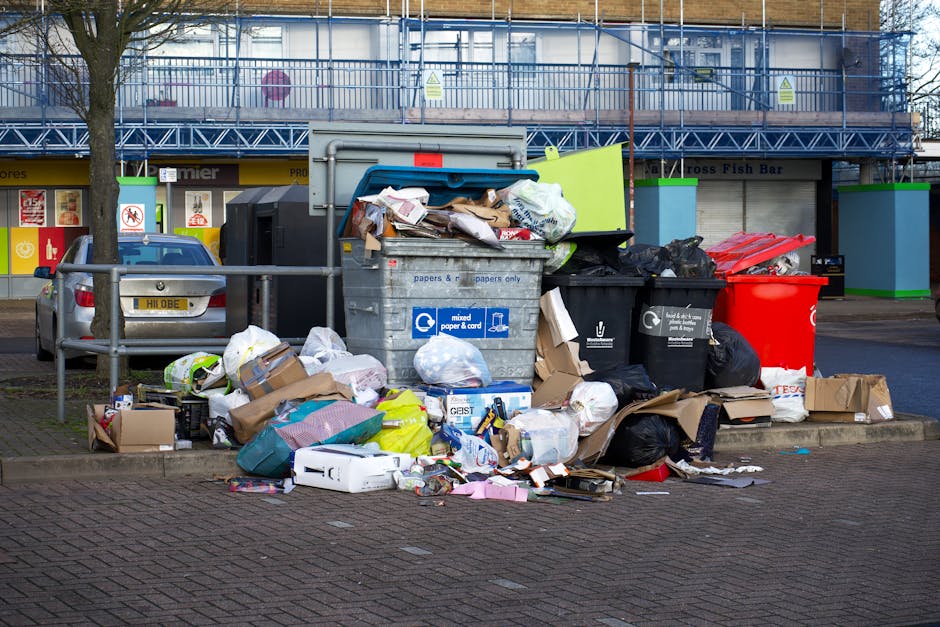
For most people, the council rules only become visible when something goes wrong. A skip arrives and cannot sit where planned. A bulky waste move is booked, but the item list is not realistic for the access. A van blocks a narrow road for longer than expected. In Hackney, where streets can be busy, tightly parked, and not especially forgiving, these details matter more than people expect.
The rules are there to protect pavements, traffic flow, pedestrians, neighbours, and the condition of the street itself. That sounds formal, but in everyday terms it means your rubbish or unwanted items need to be handled in a way that does not create chaos for everyone else. If you are moving out of a flat, emptying a storage room, or clearing bulky household items, the council framework influences how you plan the job from the start.
It also affects cost. A cheap-looking solution can become expensive if you need extra labour, a second trip, a permit-related delay, or a rebooking because access was not thought through. Truth be told, most of the stress comes from trying to treat a local clearance like a simple loading exercise when the street layout says otherwise.
If your move is tied to a bigger home change, it can help to think beyond disposal alone. Our removals in Hackney guide and the broader removal services overview can help you see where clearance, packing, transport, and storage fit together.
How Hackney Council rules work in practice
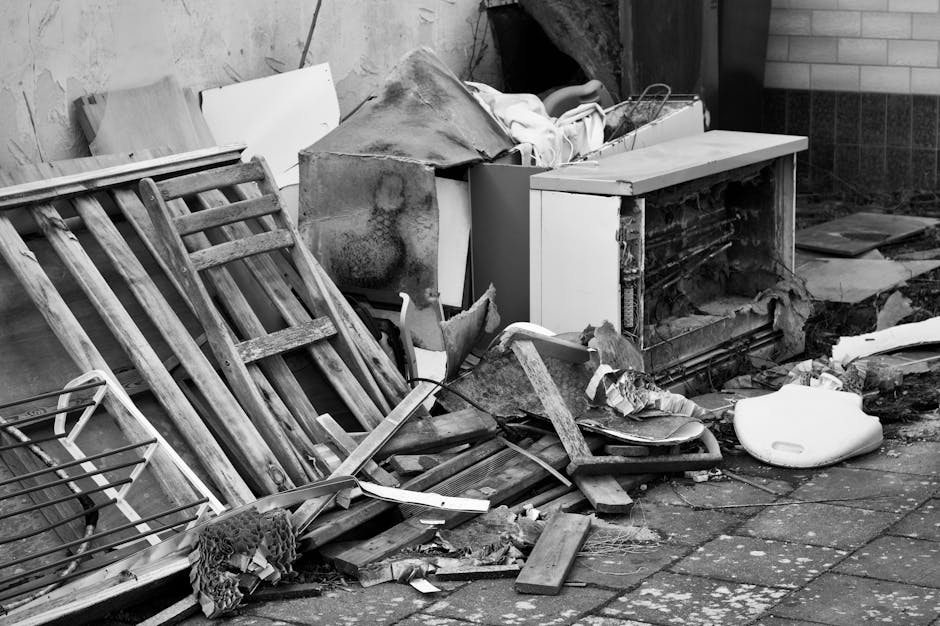
The simplest way to think about it is this: a skip is not just a skip, and bulky waste is not just "put it outside and hope for the best." Different routes have different expectations. Some jobs suit a skip because the waste is mixed, heavy, and likely to be loaded over a period of time. Other jobs suit a bulky waste move because the items are already sorted, the team can load quickly, and the access is manageable.
In a typical Hackney setting, you need to consider the following before anything is booked:
- Where the vehicle can legally and safely stop
- Whether the load is going into a skip, a van, or a specialist collection route
- How long the loading will take
- Whether there are narrow entrances, stairs, or restricted frontages
- Whether neighbours, residents, or pedestrians will be affected
- What can be recycled, reused, or separated before the move
That last point often saves the most time. A pile of mixed material looks daunting at first glance, but once you separate furniture, cardboard, metal, and general rubbish, the job becomes much easier to plan. It is the difference between standing in a hallway feeling stuck and actually getting somewhere.
If you are sorting things ahead of a move, a little packing discipline helps too. Our article on arranging help with packing and moving is useful if your clear-out is part of a bigger relocation.
Key benefits and practical advantages
When the council rules are understood properly, the whole process becomes more predictable. That is the real win. You avoid awkward surprises and gain a clearer view of what needs to happen first, second, and third.
Here are the main benefits:
- Fewer delays: You are less likely to lose time because access, parking, or loading has not been thought through.
- Lower risk of extra charges: Rebooking, labour overruns, and failed collections are less likely when the plan is realistic.
- Better neighbour relations: A tidy, efficient clearance is usually a lot less irritating for everyone nearby.
- Safer handling: Heavy items, sharp edges, and awkward stair carries can be managed more sensibly.
- Cleaner end result: A proper disposal plan means less mess left behind, which matters especially in flats and shared buildings.
There is also a quieter benefit: peace of mind. Once you know what route suits your waste, you stop overthinking every little detail. That sounds minor, but on a busy moving day, it really helps.
Practical takeaway: the best clearance plan is usually the one that matches the street, the building, and the volume of waste instead of forcing one universal solution.
Who this is for and when it makes sense
This topic matters to a fairly wide group of people in Hackney. You may think it only applies to people hiring a skip, but bulky waste moves affect far more situations than that. Let's face it, most people only discover how much "stuff" they own when they start preparing to leave.
You will probably need this guidance if you are:
- moving out of a flat and clearing unwanted furniture
- emptying a loft, cellar, or storage space
- downsizing and getting rid of large household items
- clearing office furniture or old equipment
- handling a same-day move with a lot of waste to remove
- working around limited access in a narrow Hackney street
Students and renters often run into this too. A broken bed frame, a tired sofa, a desk with three missing screws, a few bags of general rubbish, and suddenly the room feels unmanageable. If that sounds familiar, the student removals in Hackney page may be helpful, especially where a move and clear-out are happening at the same time.
For commercial premises, the planning is a bit different again. Shops and offices may produce packaging, archive waste, furniture, and equipment in one go. In those situations, the right transport choice matters. Our office removals Hackney page and removal van Hackney service can support a more structured approach.
Step-by-step guidance
Here is the cleanest way to approach a skip or bulky waste move without making it harder than it needs to be.
- Sort the load by type. Separate furniture, cardboard, metal, electrical items, and general rubbish. The job gets easier fast once the pile is not all mixed together.
- Measure bulky items. Check door widths, stair landings, and lift sizes. A sofa that "should fit" often does not. Strange how often that happens.
- Decide whether you need a skip, a van, or both. If the waste will be loaded gradually and kept on-site, a skip may suit. If items are being taken away in one trip, a van-based clearance may be better.
- Check access and parking. Think about where loading can happen without obstructing traffic or creating a hazard.
- Plan the timing. Busy mornings and school-run windows are not always ideal. A calmer slot can save a lot of hassle.
- Use protective materials. Blankets, sacks, tape, and boxes protect both the items you are moving and the property you are leaving.
- Book the right support level. If the clear-out is larger than expected, use a service that can handle lifting, loading, and disposal properly.
In real life, the little things add up. A clear walkway. A free lift. A sensible parking spot. A trolley where needed. That is how a messy job becomes manageable.
Expert tips for better results
People often focus on the items and forget the environment. But in Hackney, the environment is half the job.
What helps most:
- Start earlier than you think. Sorting always takes longer than expected, especially if items have been stored for months.
- Keep a "do not move yet" zone. This stops useful items from being bundled in with waste. Very handy, honestly.
- Put fragile or awkward items aside first. Mirrors, glass shelves, and odd-shaped pieces deserve a separate plan.
- Don't rely on last-minute optimism. "It'll be fine" is not a loading strategy.
- Think about reuse before disposal. If something can be sold, donated, or reused, remove it from the waste pile early.
If you are already packing for a relocation, the article on packing and boxes in Hackney can help you organise the keep/dispose divide properly. That matters more than people realise.
A small but useful habit: stand in the room and look at the load from the doorway. It sounds almost too simple, but it helps you spot pinch points, trip hazards, and bottlenecks before the van arrives.
Common mistakes to avoid
The most common errors are rarely dramatic. They are small planning oversights that snowball into delays.
- Booking the wrong size solution. Too small means overflow or extra trips. Too large may waste money and space.
- Ignoring access restrictions. Tight streets, busy parking, and awkward corners can turn a simple job into a slow one.
- Mixing everything together. Sorted loads are easier to move and often easier to dispose of responsibly.
- Leaving the load until the last minute. This is how stress arrives with a loud thud at 7:30am.
- Forgetting about heavy lifting risks. Sofas, wardrobes, and old appliances can injure people if handled badly.
- Assuming one rule fits every street. Hackney varies a lot from one road to the next, so local conditions matter.
Another big one: forgetting that removal, disposal, and parking are linked. You may have a disposal plan that is technically fine but practically impossible because the vehicle cannot stop where it needs to. That is where good local experience really earns its keep.
Tools, resources and recommendations
You do not need a huge toolkit, but a few items make clearance day far smoother.
| Useful item | Why it helps | Best use case |
|---|---|---|
| Heavy-duty gloves | Protects hands from splinters, sharp edges, and rough surfaces | Furniture, broken household items, mixed waste |
| Furniture blankets | Reduces scuffs and surface damage | Wardrobes, tables, sofas, beds |
| Strong tape and sacks | Keeps smaller waste tidy and easier to load | Packaging, soft waste, loose bits and pieces |
| Trolley or sack truck | Makes heavy lifting more controlled | Boxes, appliances, and repetitive carries |
| Room-by-room labels | Prevents accidental disposal of useful items | Moves with mixed keep/dispose items |
For broader move planning, the services overview page is a sensible starting point if you are trying to understand what support options exist. If you need practical help with the physical side of the job, man with van Hackney can be a helpful fit for smaller loads and direct transport.
And if storage is part of the problem, not the waste itself, the storage in Hackney page is worth a look. Sometimes the right answer is not immediate disposal, but temporary breathing room.
Law, compliance and best practice
For anything involving skips, public space, bulky waste, lifting, and vehicle movement, compliance is not just bureaucracy. It is what keeps the job legal, safe, and avoidable of awkward conflict. Local requirements can change, and the details depend on the type of road, the space available, and the nature of the waste.
In practical terms, good compliance usually means:
- using the correct route for the waste type
- avoiding obstruction of pavements, entrances, and traffic flow
- keeping the loading area safe for workers and the public
- sorting waste where possible to support recycling and responsible disposal
- ensuring anyone handling the move understands the risks
This is also where a company's internal standards matter. Clear health and safety procedures, secure handling, and sensible insurance all help reduce risk. If you want to see how a provider approaches that side of things, have a look at the health and safety policy and insurance and safety pages. They are not the exciting part, admittedly, but they are the part that protects the job from going sideways.
Best practice also includes respecting neighbours and shared buildings. In a block of flats, one badly timed clearance can disturb several households. A quiet, tidy approach is simply better all round. The same applies to recycling. Where items can be separated responsibly, it is usually worth the extra few minutes.
Options, methods and comparison table
If you are deciding between a skip and a bulky waste move, the best choice depends on access, volume, timing, and how mixed the contents are. Here is a simple comparison.
| Option | Best for | Advantages | Watch-outs |
|---|---|---|---|
| Skip | Ongoing clear-outs, mixed waste, staged loading | Convenient for larger amounts, useful if items are being added over time | Needs suitable placement and can be awkward on tight streets |
| Bulky waste move | Large furniture, set loads, direct removal | Quicker if the items are ready to go, less on-site disruption | Requires good lifting access and realistic item planning |
| Van-based clearance | Flat moves, partial clear-outs, mixed household items | Flexible, often efficient for London streets | Needs careful loading and parking planning |
| Storage first | Unclear keep/dispose decisions | Buys time and reduces rushed mistakes | Not a disposal solution on its own |
To be fair, the right answer is often a combination. A van for the heavy items, boxes for the keep pile, and short-term storage for the things you have not decided about yet. That is usually more realistic than trying to force everything into one basket.
Case study or real-world example
Imagine a second-floor flat near a busy Hackney road. The tenant is moving out on a Friday afternoon, and there is a sofa, a bed frame, a damaged desk, several sacks of old clothes, and a few bags of general rubbish. The first instinct might be to order a skip and be done with it.
But the street is narrow, parking is tight, and the front entrance opens directly onto the pavement. In that scenario, a skip could create more problems than it solves. A van-based bulky waste move may be better because the team can arrive, load quickly, and leave without turning the road into a waiting room.
The practical move is to sort the items the day before, break down what can be dismantled, protect the walls and corners, and schedule a realistic loading window. If a few items are still undecided, they can be grouped separately rather than dumped into the waste pile by mistake. It sounds obvious in hindsight, but in the middle of a move, obvious things go missing fast.
This is the kind of scenario where a local team with real Hackney experience can make a difference. If the clearance is part of a wider move, a route through house removals in Hackney or flat removals in Hackney may fit better than a stand-alone disposal job. The right fit depends on the street, not just the item list.
Practical checklist
Use this before booking anything:
- Confirm exactly what needs to go and what is staying
- Measure large items and note awkward access points
- Check whether the waste is mixed, reusable, recyclable, or heavy
- Decide if a skip, van, or full removal service is the better fit
- Plan where the vehicle can stop safely
- Allow extra time for stairs, lifts, and tight corridors
- Protect floors, walls, and door frames where needed
- Keep valuable or important items in a separate area
- Use a company that explains pricing clearly before the job starts
- Have a backup plan if access or timing changes at the last minute
That list sounds basic, and it is. Basic is good. Basic is what keeps moving day from turning into a minor disaster with cardboard dust on your shoes.
Get a free quote today and see how much you can save.
Conclusion
So, what do Hackney Council rules mean for skips bulky waste moves? In simple terms, they mean you need to plan around the street, the access, the type of waste, and the disruption your move could create. Once you understand that, the whole task becomes less stressful and far more manageable.
The smartest approach is rarely the biggest one. It is the one that matches the site, keeps people safe, respects local space, and gets the job done without drama. Whether you are clearing a flat, sorting a move, or just trying to reclaim some breathing room, the right method will usually save you time and a fair bit of annoyance.
And honestly, if you can handle a Hackney clearance on a damp weekday with parked cars on both sides and a narrow staircase, you can handle most things. Nearly.
A calm plan now is worth a rushed apology later.
Frequently Asked Questions
Do I always need a skip for bulky waste in Hackney?
No. A skip is only one option. For furniture, mixed household items, or a move with direct loading, a van-based bulky waste move can be more practical and less disruptive.
What is the biggest issue with skips on Hackney streets?
The biggest issue is usually access. Narrow roads, parked cars, pedestrian traffic, and limited safe placement can make a skip awkward or impractical.
Can I combine moving and waste removal in one job?
Yes, and that is often the sensible route. If you are moving out and clearing items at the same time, combining the jobs can save time and reduce duplicate trips.
How do I know whether bulky waste should go in a van or a skip?
Ask yourself how mixed the load is, how heavy the items are, and whether the waste will be added gradually or loaded in one go. If the access is tight, a van often makes more sense.
What should I do with items that might still be reusable?
Separate them before the clearance starts. Reusable items are easier to donate, sell, or keep if they are not already mixed into the waste pile.
Are there extra risks if I leave bulky items on the pavement?
Yes. Leaving items on the pavement can create obstruction, safety risks, and complaints from neighbours or passers-by. It is better to keep everything contained until the collection is ready.
What if my building has narrow stairs or no lift?
That matters a lot. In that case, the route, lifting plan, and item size all need checking before the move. A sofa that looks manageable in a living room may be a nightmare on the stairs.
Can storage help with a bulky waste move?
Yes, if you are unsure what to keep. Storage gives you time to decide instead of forcing a rushed disposal decision. It is not a waste solution on its own, but it can help a lot.
What are the most common planning mistakes?
People most often underestimate access, overestimate how much will fit in one go, and leave sorting until the last minute. Those three together are where the headaches start.
How far in advance should I plan a clearance?
As early as you can. Even a short, simple clear-out benefits from a bit of lead time, especially if parking, stairs, or mixed waste are involved.
Is a cheaper option always the best option?
Not usually. A cheaper quote can be fine, but only if it genuinely covers the access, labour, and disposal needs of the job. If it doesn't, the final bill may grow anyway.
Where can I get help if my move feels a bit too much?
If you want practical help with planning, transport, or a full move-and-clearance job, start with removal companies in Hackney and the about us page to understand the approach. If you are ready to talk through your job, contact the team for a straightforward conversation.
Does Hackney have different expectations depending on the type of property?
Yes, absolutely. A top-floor flat, a terraced house, and a commercial unit all create different access and loading conditions. That is why local experience matters more than generic advice.
Can I book same-day help for a clearance?
Sometimes, yes, depending on availability and the size of the job. If your timing is tight, a service such as same-day removals in Hackney may be worth considering.
What if I need help with fragile or awkward items during the same move?
It is better to mention that upfront. Fragile items usually need separate handling and a more careful loading plan. For that kind of job, packing and fragile item moving guidance can be useful.